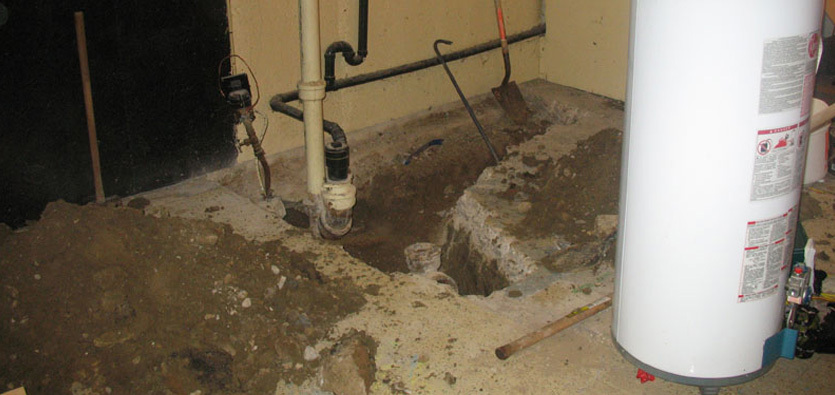
Homeowners should complete key plumbing checks before a basement renovation in Edmonton. These include drainage verification, water line assessment, code compliance, gas line planning, and fixture placement review.
When you plan a basement renovation in Edmonton, you open the opportunity for more space and value. But the plumbing needs careful attention. A proper review of plumbing before you begin helps avoid delays, hidden repair costs and non-compliance issues.
Engaging trusted plumbing services in Edmonton early ensures the work aligns with local conditions and code requirements.
Why Plumbing Prep Matters
Finishing a basement is more than just framing and drywall. In Edmonton, many homes face unique plumbing factors like shifting soils, legacy drain systems and colder winters. A basement renovation that skips plumbing checks may uncover issues like slow drains, inadequate supply lines, or even gas line misrouting once work is underway. By aligning with residential plumbing best practices, you reduce risk and protect your investment.
Understanding Code and Permit Requirements
In Alberta, the current plumbing discipline code is the National Plumbing Code of Canada. That means you must meet up-to-date standards even for renovation plumbing work.
In the City of Edmonton, a plumbing permit is required under the provincial Safety Codes Act when installing or altering equipment such as sinks, water piping, drains or toilets. This means when you are renovating a basement and adding new plumbing fixtures, a permit is likely required.
Failing to obtain a license or ignoring code requirements can lead to costly corrections, removal of finishes or even invalidation of future insurance or resale.
Verifying Drainage and Drain-line Issues
One of the first plumbing tasks before your renovation begins is a full plumbing inspection of the drain lines. In older Edmonton homes, you may have drainage systems that have settled, cracked or no longer slope correctly. The signs may include slow-draining floor drains or a visible sag in piping.
Your renovation design should take into account drain placements. If you plan to add a bathroom or laundry room in the basement, the drain line must be accessible, properly sized and sloped to avoid backups or odours. Since municipal conditions in Edmonton often involve freeze-thaw cycles, you want your underground plumbing to be robust.
Early-stage remediation is far less disruptive than discovering a drain line that must be excavated after finishes have been applied.
Assessing Water Supply Lines and Hot Water Tank Location
Next, you need to assess the water supply lines. Their condition, capacity and layout matter. Older supply lines may suffer from corrosion, scale or limited flow. When you add new fixtures, you need adequate pressure and capacity so the system keeps up with demand.
If your basement renovation introduces a bathroom, laundry or wet bar, you must verify that the supply lines reach the new zone effectively. Consider whether your existing hot water tank location supports the intended layout. If the tank is situated far away, the hot water delay or heat loss may be noticeable. Relocating or upgrading your hot water tank might be part of the plumbing preparation.
Discuss with your plumbing services provider in Edmonton about optimizing the run lengths, insulating piping and verifying that supply lines meet the expected fixture count.
Gas Line Considerations for Basement Renovations
If your renovation adds any appliance powered by natural gas, perhaps a fireplace, boiler, or range, you must treat the gas line work with care. Gas fitting is governed by its own regulations and must meet code requirements.
In addition to plumbing permit requirements, there are separate permits and inspections for gas work. The renovation may require rerouting existing gas lines or adding shut-off valves, venting and clearances. All of this must comply with the local code and safety standards.
If you intend to have a future basement suite, you must take gas line planning early to avoid costly changes later. Having your professional plumber coordinate with other trades ensures your plumbing layout aligns with the full renovation timeline.
Layout Verification and Fixture Compatibility
Before drywall or finishes go in, you should verify that your plumbing layout matches your renovation plan. This means checking that your drain and supply line locations correspond to fixture locations, trap depths are correct, water lines are accessible and venting is sufficient.
For residential renovation plumbing in Edmonton, you cannot assume existing layouts meet your new design. For example, a toilet may need to be moved closer to the main soil stack, or a laundry tub may require a floor drain near it. If the layout changes after finishing, you risk major cost and disruption.
Many Edmonton homeowners consider plumbing upgrades for home projects during this stage because it is the ideal time to replace older lines or adjust fixture placement before walls close in. When a plumbing change is classed as an “improvement, renovation, remodel or upgrade,” a permit is required. This is why careful planning helps determine when permit requirements apply and when work can proceed without extensive changes.
Mitigating Risk of Future Problems
A well-prepared plumbing system helps mitigate the risk of future problems. While the focus is not on waterproofing, good plumbing design supports long-term performance. Ensuring drain lines slope properly, supply lines remain accessible, and installations meet code helps reduce the risk of leaks, backups or service difficulties later on.
In the basement environment, you must pay extra attention to adaptability, maintenance access and inspection visibility. If you later discover a hidden leak or sagging line behind drywall, it will involve ripping it out. Investing in plumbing prep now prevents major headaches after the renovation is complete.
Why Professional Plumbing Services Matter
When you work with licensed professionals, you gain more than just installation. You gain local expertise in Edmonton conditions, knowledge of code and permit pathways, and access to proper inspection scheduling. A homeowner might overlook subtle but important issues such as venting traps, back-flow prevention, or a correct slope on drains.
Proper residential plumbing in Edmonton integrates the design, supply, venting and code compliance into one seamless process. DIY may seem cost-saving, but it risks hidden consequences. A professional approach helps ensure the plumbing for your basement renovation is done right, inspected and documented.
Conclusion
A basement renovation in Edmonton is an opportunity to add value and functionality to your home. But success depends on the plumbing prep you do before walls are closed in. By verifying drainage, assessing supply lines, reviewing gas routing, confirming fixture layout and securing permits and compliance, you set your project up for smoother finishes and fewer surprises.
Neglecting these checks may lead to delays, added costs, or even code violations. Start with a full plumbing review, schedule the work with skilled professionals, and ensure your renovation aligns with Edmonton-specific conditions and the provincial code.
About Us
At Dunn Rite Plumbing, we provide reliable residential plumbing in Edmonton, including renovation planning, inspections, and complete plumbing preparation for basement development. Our licensed team understands Edmonton building conditions, code requirements, and the steps needed to support a safe and well-planned renovation. When you are ready to move forward with your project, you can contact us, and our team will be happy to help.