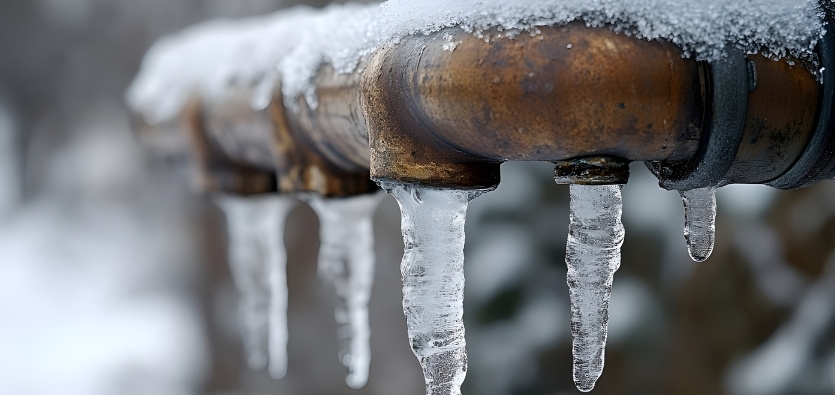
Climate plays a defining role in how long plumbing systems last in Alberta homes. Edmonton experiences extreme seasonal variation that places consistent stress on pipes, joints, and fixtures. Long winters, sudden temperature swings, and shifting soil conditions all affect plumbing durability.
Homeowners who invest in residential plumbing in Edmonton benefit most when systems are designed and maintained with climate realities in mind. Choosing providers from the best plumbing companies in Edmonton helps reduce long term repair costs and system failures.
Plumbing longevity in Alberta depends on understanding how weather interacts with materials, water pressure, and infrastructure design. Climate is no longer a background factor. It actively determines how often repairs are needed and how long systems remain reliable.
Alberta’s Climate Patterns and Long-Term Plumbing Stress
Alberta’s climate has become more variable over time. Winters still bring extended freezing periods, but freeze-thaw cycles occur more frequently. Summers now include longer heat waves and sudden heavy rainfall events. These patterns strain plumbing systems built for older climate norms.
Federal climate research confirms that Canada is experiencing “more extreme heat, less extreme cold, longer growing seasons, shorter snow and ice cover seasons, earlier spring melt, and later onset of freezing conditions. In Canada, these effects include more extreme heat, less extreme cold, longer growing seasons, shorter snow and ice cover seasons, earlier spring peak streamflow, thinning glaciers, thawing permafrost, and rising sea level
This instability causes plumbing materials to expand and contract more often. Over time, seals weaken, and joints loosen. Pipes may not fail immediately, but their usable lifespan shortens steadily.
Provincial research supports this concern. Alberta climate assessments report that climate change has already started to create an impact on the province, with temperature profiles trending upwards and more frequent occurrences of unpredictable weather events.
Plumbing systems must now handle conditions they were not originally designed to endure.
Freeze Cycles and Pipe Material Fatigue
Cold weather remains the most immediate threat to plumbing longevity. When water freezes, it expands. Pipes exposed to cold air or unheated spaces experience internal pressure increases that weaken walls and joints. Even insulated pipes face stress during extended cold spells.
Repeated freeze exposure causes microfractures inside pipe materials. These fractures may not leak initially. Over time, they widen and lead to sudden failures. This is why pipes sometimes burst months after winter has passed.
Plastic piping tolerates expansion better than metal, but fittings and connectors still face pressure strain. Copper pipes resist corrosion but are more vulnerable to freezing damage if insulation fails. Understanding material behaviour helps homeowners plan maintenance correctly.
Heat Exposure and Summer Plumbing Wear
Summer heat also impacts plumbing systems. Prolonged warm periods increase water temperature inside pipes. Heat causes materials to expand, especially in exposed locations such as crawl spaces and mechanical rooms.
Thermal expansion stresses soldered joints and threaded connections. When heat follows cold periods, repeated expansion and contraction weaken structural integrity. This effect compounds over years rather than days.
Federal climate data links rising temperatures with increased frequency of extreme heat events. Heat waves, heavy rainfall, and wildfires are all types of extreme weather events linked to human-caused climate change.
Plumbing systems must now operate reliably across wider temperature ranges than in previous decades.
Ground Movement and Underground Plumbing Risk
Climate not only affects visible plumbing. Underground pipes face unique challenges in Alberta. Soil moisture levels change dramatically between seasons. Heavy snowmelt and rainfall saturate soil, while dry periods cause shrinkage.
This movement places lateral pressure on underground lines. Pipes may shift slightly or settle unevenly. Over time, misalignment damages joints and allows root intrusion. Sewer and water service lines are especially vulnerable.
Homes built decades ago may have pipes installed at depths no longer optimal for current freeze patterns. Soil erosion around foundations further increases risk. Underground plumbing failures are costly because damage often goes unnoticed until advanced.
Water Quality Changes and Internal Pipe Corrosion
Climate affects water quality in subtle but important ways. Increased runoff from heavy rainfall introduces sediment into municipal water systems. This sediment increases abrasion inside pipes and accelerates corrosion.
Flooding events can temporarily alter water chemistry. Changes in mineral content affect pipe interiors and water heater components. Over time, this leads to scaling, reduced flow, and premature equipment wear.
Corrosion shortens pipe lifespan and increases the risk of leaks inside walls. These leaks often remain hidden until structural damage becomes visible. Preventive inspections help detect corrosion before it escalates.
Why Maintenance Frequency Matters More in Alberta
In regions with mild climates, plumbing maintenance may follow longer intervals. In Alberta, shorter maintenance cycles are essential. Seasonal inspections allow early detection of stress damage.
Pre-winter inspections identify insulation gaps and vulnerable sections. Spring assessments reveal damage caused by freeze cycles. Summer evaluations focus on pressure stability and heat-related wear.
Homeowners who rely on the best plumbing services in Edmonton benefit from technicians who understand seasonal risk patterns. Climate awareness improves diagnostic accuracy and prevents repeated repairs.
Choosing Plumbing Support That Understands Local Conditions
Not all plumbing services operate with climate awareness. Experience in Alberta conditions matters more than generic service capability. Homeowners should evaluate providers based on regional knowledge.
Key indicators include familiarity with local building standards, experience with freeze mitigation, and understanding of soil conditions. Providers should explain how climate influences material selection and installation depth.
Working with knowledgeable plumbing companies in Edmonton ensures systems are designed for durability rather than minimum compliance. Preventive planning saves money over time.
Long-Term Cost Implications of Climate Ignorance
Ignoring climate impact increases long-term costs. Emergency repairs cost more than planned maintenance. Water damage claims often exceed pipe replacement costs.
Insurance claims related to plumbing failures are rising in cold regions. Many failures are preventable with proactive climate-focused maintenance. Small upgrades such as insulation improvements and pressure regulation extend system life significantly.
Climate resilience is now part of responsible home ownership in Alberta.
About Us
At Dunn Rite Plumbing, we understand how Alberta’s climate affects plumbing performance and longevity. Our experience with residential plumbing in Edmonton allows us to design systems that withstand seasonal extremes.
We focus on preventive strategies, material suitability, and long-term reliability. Every service call considers climate exposure and future risk. This approach helps homeowners avoid repeat failures and unexpected repairs.
To discuss maintenance planning or schedule an inspection, contact us today and keep your plumbing system reliable year-round.