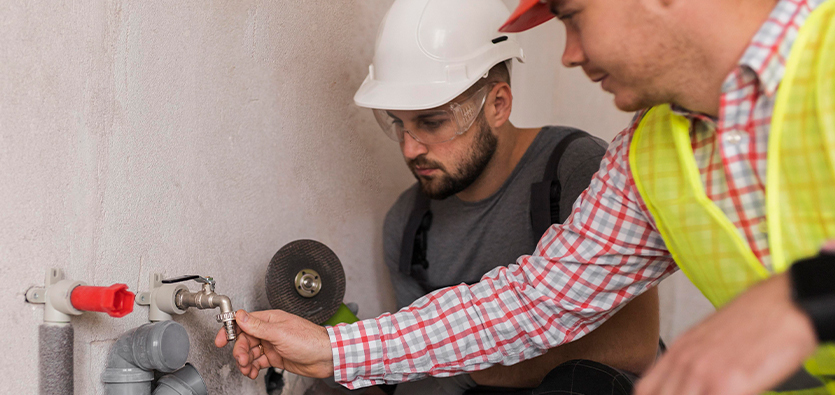
A commercial building typically has far greater plumbing needs than a residential home. Multiple bathrooms, kitchens, utility rooms, and industrial-grade requirements for water supply, drainage, gas, and hot water all increase complexity.
A well-designed plumbing system ensures safety, efficiency, and compliance. A poor design invites frequent failures, water damage, odours, or even complete shutdowns for repairs.
Given the scale of commercial plumbing, failing to follow proper design standards may lead to widespread issues such as water pressure problems, leaks, or blocked drains across entire floors.
For building owners and managers, these issues translate to lost revenue, unhappy tenants or clients, and expensive remedial work.
That is why working with certified commercial plumbers in Edmonton from the outset is essential.
What Are the Most Common Plumbing Design Mistakes in Commercial Builds?
Here are several of the most frequent errors in commercial plumbing design that lead to long-term risk:
Incorrect Pipe Sizing and Poor Flow Planning
One of the biggest mistakes is undersizing supply lines or drainage pipes. If pipes are too small, water flow may be restricted, which limits pressure. On the drainage side, an insufficient diameter or poor slope can cause slow drainage, frequent backups, or sewer-line blockages.
In large buildings with multiple fixtures, inadequate flow design can result in some outlets receiving weak pressure while others suffer blockages. It is important to calculate peak demand, especially in kitchens, restrooms and any heavy-use plumbing fixtures, and size supply and drain pipes accordingly.
Designers must also consider future use. If the building is repurposed or sees increased occupancy, the original piping plan may become insufficient.
Ignoring Code Compliance or Using Improper Materials
Every commercial building in Edmonton must comply with the National Plumbing Code of Canada (NPC 2020) as adopted by Alberta under the Safety Codes Act.
Ignoring code requirements for venting, backflow prevention, pipe materials, clean-outs, or fixture clearances is a serious mistake. Using incompatible materials or improper fittings increases the risk of leaks, corrosion, backflow, or premature failure.
Design plans must specify correct materials and conform exactly to code mandates. Cutting corners or ignoring standards for commercial plumbing installation in Edmonton can result in project delays, failed inspections, or costly rework.
Poor Coordination Between Plumbing and Other Trades
Modern commercial construction involves multiple trades: electrical, HVAC, structural, fire safety, and plumbing. A common mistake is siloed planning. If plumbing routes are designed without consulting HVAC or structural plans, pipes may conflict with ducts, wiring, or beams.
Poor coordination can result in pipe rerouting, damage, or restricted access for maintenance. Delays often occur when other trades proceed before the plumbing layout is final.
Avoiding this requires integrated planning early on, often using digital modelling tools such as BIM (Building Information Modelling), and ensuring cross-trade collaboration before any rough-in happens.
Lack of Access for Maintenance and Service
Designs may work fine at handover, but if there is no easy access for maintenance, such as clean-outs, service panels, shut-offs or inspection points, even minor issues can become major emergencies.
Commercial buildings must remain operational. When maintenance is difficult, a simple leak can turn into widespread water damage or downtime. For plumbing systems to remain reliable over decades, the design must prioritize accessibility and future servicing.
Underestimating Corrosion and Water Chemistry Effects
Some designs fail because they overlook the long-term interaction between pipe materials and local water chemistry. For example, metal pipes such as copper or cast-iron can suffer from erosion-corrosion if water flows at high velocity or contains aggressive chemicals.
Improper materials selection or failure to account for water hardness, pH or mineral content can lead to pipe deterioration over time. This risk is especially high in high-use commercial environments.
Good designs anticipate these factors and either choose more durable materials or apply protective measures such as coatings or non-metallic piping where appropriate.
Improper Venting and Inadequate Drainage Slope
Venting and drainage slope are critical but often overlooked. Poor vent design or insufficient drainage pitch may cause sewer gases to accumulate, slow drainage, or create sewer backups. In commercial buildings with heavy wastewater load, this risk is magnified.
Proper vent sizing, placement, and slope calculations must be included in design drawings. Failure here leads to bad odours, leaks, or health hazards, which can shut down businesses that rely on clean sanitary systems.
What Are the Consequences of Design Mistakes for Commercial Properties?
The mistakes above do not just pose theoretical risks. In practice, they lead to real problems with serious financial and operational consequences:
- Widespread water leaks or burst pipes cause property damage and business disruptions.
- Constant drain backups or sewage problems that interrupt daily operations, especially in restaurants or retail facilities.
- Failing official inspections or building code audits may result in legal liabilities or forced remedial work.
- Elevated maintenance costs over the years due to corrosion, poor materials or design errors.
- Unhappy tenants or customers, loss of reputation, and potential loss of tenants in multi-unit commercial buildings.
When plumbing failures occur in a commercial context, the stakes are high. That is why wise building owners and developers partner only with trusted plumbing companies in Edmonton who understand the full complexity of design, code compliance, and long-term maintenance.
How Can Builders and Developers Avoid These Mistakes?
Here are proven strategies to ensure plumbing design is safe, code-compliant, efficient and future-proof:
Start with Detailed Pre-Construction Planning
Before breaking ground or roughing in walls, assemble a full plan covering water supply, drainage, venting, gas lines, maintenance access, future load capacity and materials. Engage licensed plumbing professionals early to ensure plumbing does not become an afterthought.
Ensure Code Compliance and Use Proper Materials
Designers must base plans on NPC 2020 as well as any provincial or municipal amendments. Specify approved pipe materials, proper venting, backflow protection, clean-outs, and fixture clearances. Use materials suited to local water chemistry and long-term commercial use.
Coordinate Plumbing Layout with All Trades
Hold coordination meetings with HVAC, electrical and structural teams. Where possible, use BIM or digital modelling tools to identify clashes before construction begins.
Confirm pipe runs, fixture placement, vent stacks and drainage routes are clear of structural or mechanical obstructions.
Design for Maintenance and Serviceability
Include shut-off valves, accessible clean-outs, inspection panels, service spaces, and clear documentation. Plan for future access even if the building is fully occupied. This reduces the risk of emergency service calls and long-term damage.
Account for Water Chemistry and Long-Term Durability
Choose pipe materials and protective measures suited to Edmonton’s local water conditions. If water hardness or corrosivity is a factor, consider coated or non-metallic pipes. Set appropriate flow velocities to avoid erosion-corrosion.
Provide Proper Venting and Drainage Slope
Ensure drainage pipes have the correct slope and vents are sized and placed according to code. Confirm drainage stacks are adequate for peak waste load. Regularly review drainage plans with mechanical and sanitary engineers before installation.
Why Choosing the Right Commercial Plumbing Partner Matters
Because plumbing errors in commercial builds have large consequences, working with a reliable, licensed contractor is non-negotiable. Experienced teams understand local codes, have handled similar buildings, and know how to design plumbing systems that are safe, efficient, maintainable, and future-ready.
When you select trusted plumbing companies in Edmonton, you reduce the chance of leaks, compliance failures, or costly rework. Good design becomes a foundation for long-term safety and building performance.
Conclusion
Getting plumbing design right at the start of a commercial construction project is not optional. Mistakes in pipe sizing, materials, code compliance, venting, or maintenance access can lead to persistent leaks, drainage issues, compliance failure and costly repairs.
By working with qualified commercial plumbing professionals in Edmonton, carefully planning, and following code requirements, you can build a plumbing system that safely and reliably supports your facility for decades.
About Us
Dunn Rite Plumbing is a trusted team of licensed plumbers proudly serving Edmonton and surrounding communities. We help homeowners and business owners protect their property with reliable plumbing solutions that prioritize safety, efficiency, and long-lasting performance. Our work is rooted in professional craftsmanship and a commitment to doing every job the right way from the start.
We understand that plumbing issues can disrupt daily life and business operations. That is why we respond quickly, communicate clearly, and deliver results you can depend on. From hot water tank installation to complex commercial plumbing projects, our specialists ensure that every system we install or repair meets Alberta codes and industry best practices.
Whether you are upgrading your system, dealing with a sudden issue, or planning to protect your property, our licensed plumbers are here to help. Tell us what you need, and we will take care of the rest with fast, reliable service you can trust. Contact us today to book your service appointment.